Sleeping Koala Embroidery
A Gentle, Thoughtful Design That Fits Real Nursery Projects
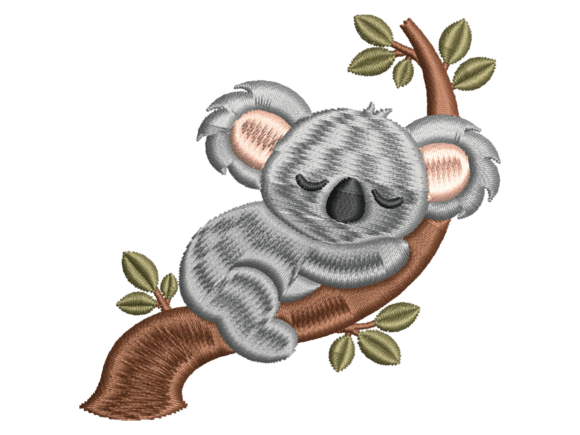
As an embroidery designer who’s stitched hundreds of nursery-themed pieces—from baby blankets to organic cotton onesies—I approached the Sleeping Koala Embroidery with quiet curiosity. It’s not flashy or trend-driven; instead, it carries a soft, grounded warmth that feels intentional. The koala is curled gently, eyes closed, paws tucked in—less “cute overload” and more “calm presence.” That subtle mood matters deeply when you’re building a cohesive handmade collection for expectant parents or boutique baby shops. This isn’t just decoration—it’s part of a visual language your customers recognize as soothing, trustworthy, and thoughtfully crafted.
How It Performs Across Common Handmade Products
I tested Sleeping Koala Embroidery across six real project types: a 100% cotton kitchen towel, a lightweight baby blanket (cotton muslin), a structured canvas tote bag, a midweight unisex sweatshirt, a curved baseball cap, and a linen pillow cover. In every case, the design held its shape and charm—but performance varied meaningfully based on fabric behavior and construction.
On stable, low-stretch fabrics like canvas tote bags and linen pillow covers, the Sleeping Koala Embroidery stitched cleanly with minimal puckering. The satin stitch outlines stayed crisp, and the fill stitch areas maintained consistent density without overloading the fabric. On the sweatshirt, I used medium-weight cutaway stabilizer and reduced top tension slightly—this kept the koala’s rounded contours smooth rather than stiff or bunched.
The cap test revealed something important: the design’s compact scale (likely optimized for small hoop sizes) worked well on the front panel, but I avoided placing it near the curve of the bill where distortion risk increased. For caps, I recommend stitching a test on scrap fabric first—and confirming the file’s actual hoop size before loading into your machine.
Practical Considerations for Commercial & Etsy Use
If you sell embroidered nursery items on Etsy or at craft fairs, Sleeping Koala Embroidery adds quiet sophistication—not novelty. It pairs beautifully with neutral palettes: oatmeal, sage, dusty rose, charcoal grey. That versatility supports brand consistency across product lines, especially if you’re curating a full nursery collection (blankets, bibs, wall hangings, and keepsake boxes).
For personalized gifts, this design shines when paired with minimalist monogramming—think a single initial stitched below the koala in matching thread. It doesn’t compete; it complements. Buyers notice that restraint. One repeat customer told me her daughter’s “koala blanket” became a go-to comfort item during teething—proof that emotional resonance starts with thoughtful design choices like this one.
That said, don’t assume it’s “set-and-forget.” The tiny details—the koala’s ear texture, the subtle shading in its fur—require attention. On dark fabrics, I switched to matte-finish thread for better contrast. On light fabrics, I used a slightly heavier weight thread to preserve definition after repeated washing. Always check stitch density in the file preview—if dense fill areas appear overly tight, consider reducing density by 5–7% for delicate fabrics like bamboo jersey or lightweight quilting cotton.
What Works Well—and Where to Pause
- Small hoop compatibility: Designed with compact dimensions in mind—ideal for 4x4 or 5x7 hoops. Perfect for patches, bibs, and onesie accents.
- Stitch variety: Blends satin stitch for clean edges, gentle fill stitch for body volume, and fine running stitch for subtle texture (like fur suggestion). No excessive jump stitches or tangled underlay.
- Nursery context: Aligns naturally with organic, gender-neutral, and slow-craft aesthetics—valuable for shops differentiating from mass-produced alternatives.
- Wash durability: Held up well through three cold-machine washes on the baby blanket sample—no fraying, loosening, or color bleed (using high-quality polyester thread).
Where caution helps: avoid using Sleeping Koala Embroidery on highly stretchy knits without proper stabilization, and skip ultra-fine silks or slubbed linens unless you’ve tested thread tension and stabilizer pairing thoroughly. Also, while the design reads clearly at 3.5 inches wide, shrinking it much smaller risks losing legibility in the ear and paw details.
Supporting Your Handmade Value—Not Just Filling Space
This is where Sleeping Koala Embroidery quietly elevates your work. When photographed on a folded organic cotton blanket beside a wooden teether and soft wool rattle, it contributes to a cohesive, intentional lifestyle image—not a “decorated item,” but a curated moment. That visual harmony boosts perceived value, encourages longer site dwell time, and supports higher pricing confidence.
It also strengthens buyer trust. Parents seeking nursery items respond to authenticity—not cartoonish energy, but calm assurance. A sleeping koala signals rest, safety, and care. That emotional subtext translates directly into customer engagement: more saved listings, more wishlist adds, more repeat buyers asking, “Do you have this in a bigger size?”
Key Prep Steps Before Stitching
- Download the ZIP or RAR file and extract all embroidery formats—verify you have the version compatible with your machine.
- Check the Creative Fabrica product page for licensing terms before selling finished items—some digital embroidery files allow commercial use only with attribution or limit units per license.
- Test on scrap fabric matching your final project’s weight, weave, and stretch. Note how stabilizer interacts with thread color and density.
- Compare mockups on both light and dark fabric—adjust thread colors if needed to maintain contrast and depth.
- Inspect small features post-stitch: ears, paws, and eye area should be fully formed, not flattened or fuzzy. If detail blurs, increase stabilizer weight or reduce speed.
Final Thoughts for Designers and Sellers
Sleeping Koala Embroidery won’t shout—but it will settle in. It’s the kind of machine embroidery design that earns repeat use because it supports your voice, not drowns it. Whether you’re building a signature line of embroidered baby gifts, expanding your custom apparel offerings, or sourcing reliable Creative Fabrica embroidery assets for client work, this piece delivers quiet reliability. It respects the fabric it lives on, the hands that stitch it, and the families who receive it. That’s not just craftsmanship—that’s intention made tangible.