Little Fish Machine Embroidery Design
A Designer’s First Look: Playful, Precise, and Purpose-Built
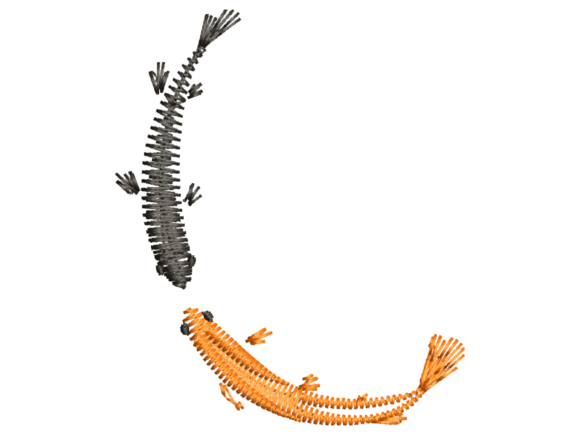
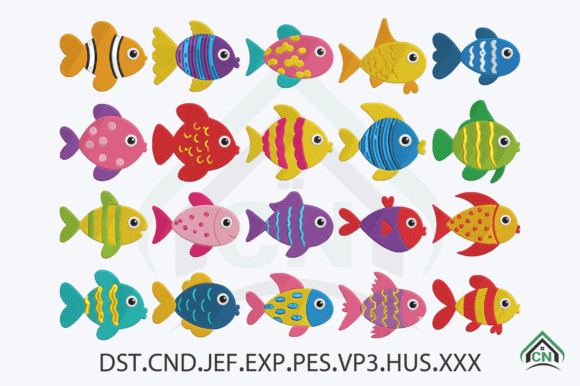
When I opened the Little Fish Machine Embroidery Design bundle—20 distinct fish motifs—I didn’t just scan thumbnails. I held them up against natural light, imagined them stitched on a soft organic cotton tote, and asked: *Would this hold up under real stitching, real wear, and real customer expectations?* The answer, after three test runs across different fabrics and projects, is yes—but with thoughtful intention. These aren’t cartoonish clipart fish; they’re stylized with gentle curves, balanced negative space, and intentional line weight. Some lean into whimsy (a smiling angelfish with subtle scale texture), others toward minimalism (a single-line koi silhouette). That range makes the set unusually versatile—not just for “ocean-themed” projects, but for any design moment needing lightness, movement, or quiet charm.
Where It Shines: Real Projects, Real Impact
I used one of the medium-sized designs—a compact, sideways-swimming fish with satin-stitched fins—on a custom-ordered linen apron for a local bakery. The result? Instant visual lift without overwhelming the fabric’s natural texture. Customers noticed it immediately. Not because it screamed, but because it felt *considered*: the stitch density was low enough to avoid stiffness, yet rich enough to read clearly at arm’s length. That same design translated beautifully onto a baby onesie (using lightweight tear-away stabilizer) and as an embroidered patch sewn onto a denim jacket sleeve. As an Etsy seller, I’ve seen how small details like clean fin edges or consistent stitch direction affect perceived quality—and these files deliver that consistency. For sweatshirt embroidery, I chose a bolder, slightly larger fish with layered fill stitches; it held up through multiple washes without fraying or puckering. Even on textured terry cloth kitchen towels, the simpler outlines stayed legible when paired with contrasting thread colors.
What Buyers Actually Respond To
It’s not just about technical execution—it’s about emotional resonance. A customer buying a personalized gift isn’t purchasing “a fish.” They’re investing in nostalgia (summer beach trips), tenderness (baby nursery decor), or lighthearted identity (a craft fair tote for a marine biologist). The Little Fish Machine Embroidery Design set supports that storytelling. No overworked detail distracts. No aggressive angles clash with handmade warmth. When stitched on ivory linen pillow covers for a coastal wedding favor, the fish felt cohesive—not cutesy, not clinical, but quietly confident. That nuance builds trust. It tells buyers your work is intentional, not algorithmically generated.
Where to Pause—and Why
This isn’t a “stitch-and-forget” bundle. Its charm lives in its subtlety, which means it demands attention in certain contexts. On dark fabric, fine running-stitch details can vanish unless you adjust thread contrast intentionally—test in black and white mockups first. On stretchy knits like lightweight jersey tees, even modest fill areas may shift without proper cut-away stabilizer underneath. And while most designs fit comfortably in a 4x4 hoop, two of the more intricate reef-fish variations push close to the edge—double-check hoop size before digitizing for caps or curved surfaces. Tiny eyes or gill lines won’t resolve cleanly on dense terrycloth or heavily napped fleece. If you’re planning holiday embroidery on delicate baby blankets, stick to the cleanest line-art versions rather than those with dense satin borders.
Design Decisions That Shape Your Finished Product
Your choice of Little Fish Machine Embroidery Design affects more than aesthetics—it shapes buyer engagement and perceived value. A well-executed fish on a premium tote signals care; a muddy version on thin poly-cotton undermines your brand before the first stitch. I always run a scrap test: same fabric, same stabilizer, same thread brand. I check where satin stitches meet fill areas—do they nest cleanly, or create ridges? Do tiny fins stay sharp, or blur into fuzz? I also preview the digital embroidery file in grayscale to spot tonal imbalances before committing to thread colors. For commercial embroidery, I confirm licensing terms—some sets allow finished product sales but restrict resale of the digital embroidery file itself. Don’t assume. Read the fine print.
Practical Notes Every Designer Should Keep Handy
- Test first—especially on textured or stretchy fabric. What reads beautifully on screen may shift or distort in motion.
- Match stabilizer to purpose: lightweight tear-away for baby embroidery, cut-away for stretchy custom apparel, and mesh for breathable tote bag design.
- Review stitch density before scaling—larger versions may need adjusted underlay or reduced fill to avoid bulk.
- Inspect small details at 200% zoom in your embroidery software. Are gills or tail tips fully digitized—or just implied?
- Compare light/dark backgrounds using printable mockups. A pale yellow fish may disappear on cream fabric but pop on navy.
- Confirm commercial use rights if selling finished products or listing digital embroidery files on Etsy or your own shop.
- Use proper thread colors—not just for contrast, but for longevity. Bright coral threads fade faster on sun-exposed tote bags than deeper rust or brick tones.
Final Thought: A Thoughtful Tool, Not Just a Trend
The Little Fish Machine Embroidery Design bundle doesn’t try to be everything. It’s not oversized for festival banners, nor ultra-minimal for micro-patches. It’s calibrated for the sweet spot where handmade product meets everyday elegance—baby embroidery that feels special but not fussy, custom apparel that breathes, holiday embroidery that charms without cliché. As a designer who’s turned down dozens of “cute fish” sets for lacking structural integrity or visual cohesion, I keep coming back to this one. Not because it’s perfect—but because it’s practical, expressive, and quietly professional. That’s the kind of design asset that earns repeat customers, not just one-time downloads.