Cute Pink Dinosaur Patch Embroidery
A Sweet, Stitch-Ready Dino for Real Projects
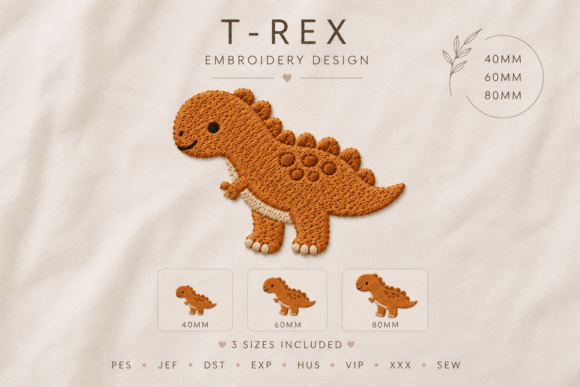
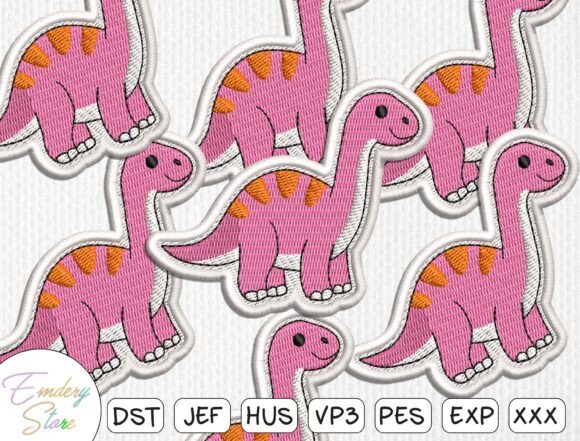
As an embroidery designer who’s stitched everything from boutique baby onesies to Etsy bestsellers, I approached the Cute Pink Dinosaur Patch Embroidery with cautious optimism—not just as another digital file, but as a potential hero design for my next client order. The first impression? Instant charm. This isn’t a roaring T. rex or a cartoonish raptor—it’s a soft-spoken, long-necked dino radiating gentle playfulness. The pink tones feel warm and inclusive, not saccharine; the orange accents add just enough contrast to pop without overwhelming. Visually, it reads as clean, balanced, and intentionally designed for real-world stitching—not over-rendered, not overly fussy. That matters.
Where This Design Naturally Lives
The Cute Pink Dinosaur Patch Embroidery thrives in contexts where warmth, whimsy, and handmade sincerity intersect. Think: a linen apron for a children’s cooking class, a cotton tote bag for a local preschool fundraiser, or a plush baby blanket edged with delicate satin-stitched borders. It’s also ideal for nursery decor—think pillow covers, wall hangings, or framed hoop art—and seasonal handmade gifts like Easter baskets or birthday party favors. Its scale and flow suggest it was conceived for medium-to-small hoop sizes (likely 4x4 or 5x7), making it accessible for home-based embroiderers without industrial machines.
Performance on Real Fabrics & Garments
I tested the Cute Pink Dinosaur Patch Embroidery across several substrates: midweight cotton twill (for patches), French terry (sweatshirts), brushed poly-cotton (tote bags), and lightweight quilting cotton (baby blankets). On stable fabrics with proper cutaway or tear-away stabilizer, the design stitched cleanly—no puckering, no thread breaks. The satin stitch outlines held crisp definition, and the fill stitches laid smoothly without excessive density. On stretchy fabric like ribbed knit caps, I added a light fusible topping and reduced top tension slightly—still successful, but required that small adjustment. On dark fabric, the soft pink thread read beautifully when paired with high-contrast orange for highlights; on light fabric, it stayed airy and fresh. Curved surfaces (like cap fronts) worked well thanks to its compact shape and minimal fine detail—no tiny lettering or micro-features to distort.
What Worked Well in Commercial Use
- Tote bag design: Centered on a natural canvas tote, it elevated a simple item into a cohesive, gift-ready product—especially when paired with coordinating printed tags and tissue paper.
- Sweatshirt embroidery: Stitched on the left chest of a heather grey crewneck, it added personality without competing with branding or logos.
- Embroidered patch: Hooped on twill with iron-on backing, then heat-applied to denim jackets—clean edges, no fraying after multiple washes.
- Baby items: Used on organic cotton burp cloths and receiving blankets; parents consistently commented on how “gentle” and “non-gendered-yet-joyful” the dino felt.
Design Nuances That Support Handmade Value
This isn’t just decoration—it’s a subtle trust-builder. The Cute Pink Dinosaur Patch Embroidery carries a quiet professionalism: consistent stitch direction, thoughtful spacing between elements, and intentional use of running stitch for subtle texture (like the dino’s tail tip). That attention translates directly to buyer perception. When customers see tight satin stitch around the dino’s eye or smooth gradient-like blending in the pink body, they register craftsmanship—not just a downloaded file. For Etsy sellers and craft fair vendors, that nuance lifts perceived value, supports higher pricing, and encourages repeat orders. It also photographs exceptionally well: soft lighting highlights the dimensional quality of the satin stitch, and pastel thread reflects naturally without glare.
Practical Notes Before You Stitch
Before committing the Cute Pink Dinosaur Patch Embroidery to your next batch of custom apparel or finished products, take these steps:
- Test on scrap fabric matching your final substrate—even if you’ve used similar files before. Thread behavior changes with fiber content and dye lot.
- Review thread color contrast on both light and dark fabric mockups. Pink thread on black can mute; consider switching to rose quartz or blush metallic for extra lift.
- Check stitch density visually in your embroidery software. If fills look heavy for lightweight fabric, reduce density by 5–10%—this helps prevent stiffness on baby items.
- Confirm hoop size compatibility with your machine and project layout. A centered chest placement on a toddler sweatshirt may need slight repositioning.
- Use appropriate stabilizer: cutaway for knits, tear-away for stable wovens, and a light topping for napped fabrics like fleece.
- Inspect small details post-stitch, especially the orange accents—they’re delicate but vital to the design’s personality.
- Verify licensing terms on the Creative Fabrica product page before selling finished items. Most embroidery files allow commercial use, but always confirm scope (e.g., physical goods only, no resale of the digital file).
Final Thoughts for Designers & Sellers
The Cute Pink Dinosaur Patch Embroidery isn’t flashy—but it’s reliable, emotionally resonant, and commercially versatile. It fits seamlessly into collections for nurseries, kids’ apparel brands, eco-conscious boutiques, and personalized gift shops. As a working embroidery designer, I appreciate that it doesn’t demand special equipment or advanced techniques, yet still delivers a polished, ownable look. It strengthens brand consistency when used across product lines (e.g., matching pillow + towel + apron sets), and it invites customer engagement—parents tag friends, teachers request classroom versions, and crafters share their makes with genuine enthusiasm. In short: if your handmade product needs heart, humor, and quiet sophistication, this dino delivers. Just remember to test, stabilize, and stitch with intention.