Bonnet Goose Embroidery Design
A Designer’s First Look: Charm, Clarity, and Quiet Confidence
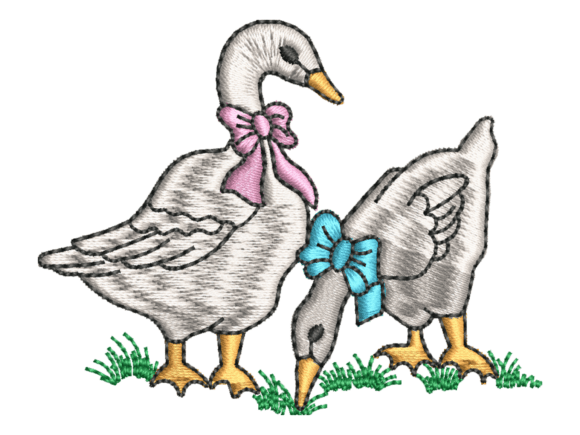
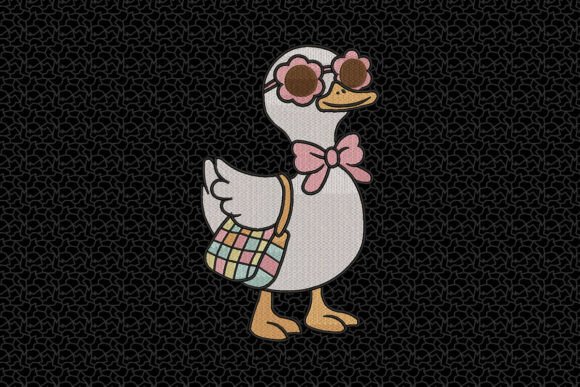
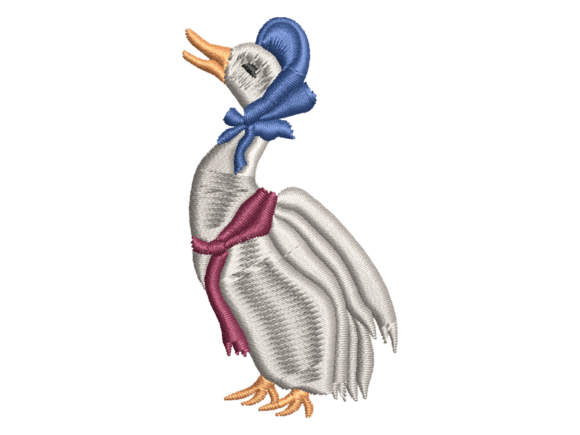
As an embroidery designer who’s developed hundreds of patterns for baby boutiques, wedding studios, and Etsy shops, I opened the Bonnet Goose Embroidery Design file with quiet curiosity—not hype. What greeted me wasn’t flashy or overly stylized, but something deeply intentional: a gentle, slightly whimsical goose wearing a soft bonnet, rendered with clean line work, balanced negative space, and subtle feather texture. It feels sweet without being cloying, classic without feeling dated, and handmade without sacrificing polish. There’s a quiet elegance here—like a hand-drawn storybook illustration translated faithfully into stitch. It doesn’t shout; it invites. That makes it ideal for personalized gifts where emotional resonance matters more than visual volume.
Where This Design Truly Shines
The Bonnet Goose Embroidery Design is a natural fit for heartfelt, high-intent gifting. Think baby embroidery on organic cotton swaddles or linen blanket corners—its gentle scale and tender motif speak directly to new parents seeking warmth and tradition. For wedding gifts, it adds poetic charm to monogrammed pillow covers, heirloom-style kitchen towels, or embroidered napkin sets—especially for couples who value vintage sensibility over modern minimalism. As a nursery decor element, it anchors wall hangings, mobiles (when stitched onto lightweight fabric), or framed hoop art with soft authority.
Small shop owners and Etsy sellers will appreciate how effortlessly this design elevates everyday items: a custom tote bag becomes a thoughtful baby shower gift; an apron transforms into a cherished “first cooking lesson” keepsake; a linen tea towel gains personality and presence in any kitchen. Because it reads clearly at medium sizes (roughly 3.5–4.5 inches wide), it works beautifully across product categories—from pillow covers to blanket embroidery—without needing scaling gymnastics or losing its delicate nuance.
Smart Placement Matters: Know When to Pause
That same delicacy means thoughtful execution is essential. Avoid placing the Bonnet Goose Embroidery Design on highly textured fabrics like thick terry cloth or looped jacquard—fine details like bonnet ribbons or feather definition can blur or disappear. Similarly, stretchy baby onesies or curved surfaces (think curved tote handles or rounded pillow seams) require careful hooping and stabilizer selection to prevent distortion. On dark fabric, always test thread color contrast: light ecru or pale gray thread may vanish unless paired with white underlay or a light stabilizer base.
And while the design avoids micro-lettering or ultra-fine linework, don’t assume it’s “low maintenance.” Small features—like the curve of the bonnet brim or individual feather strokes—demand attention during stitching. If your customer orders a frequently washed item like an embroidered towel or baby blanket, confirm stitch density supports durability without stiffness. Overly dense fills on soft fabrics can lead to cracking or puckering over time.
Why It Builds Trust—and Drives Sales
In my experience, customers don’t just buy embroidery—they buy meaning, memory, and perceived care. The Bonnet Goose Embroidery Design signals intentionality. Its quiet sophistication tells buyers, “This wasn’t mass-produced—it was chosen *for you*.” That perception lifts perceived value instantly. For handmade product sellers, it reinforces authenticity. For wedding gift designers, it deepens emotional connection. Even in product photography, it performs well: soft lighting highlights its gentle contours, and clean backgrounds let its charm speak without competition.
When used thoughtfully, this design also boosts buyer engagement. Customers often share photos of their personalized gift unboxing—especially when the motif feels personal and timeless. That organic visibility? Gold for Etsy sellers and small shop owners building community through storytelling.
Practical Notes Every Embroiderer Should Run Through
- Always test first: Stitch the Bonnet Goose Embroidery Design on scrap fabric matching your final product’s weight and weave—even if you’ve used it before. Fabric behavior changes batch to batch.
- Confirm hoop size and format compatibility: Check whether your machine requires .dst, .pes, or another embroidery file extension—and verify the design fits comfortably within your standard hoop dimensions.
- Stabilizer isn’t optional—it’s foundational: Use tear-away for stable wovens (linen, cotton poplin), cut-away for knits or stretchy fabrics, and water-soluble for delicate surfaces like silk or lace overlays.
- Compare light and dark mockups: Print or digitally overlay the design on both light and dark fabric swatches to assess thread color harmony before stitching.
- Inspect after stitching: Zoom in on small details post-embroidery—especially the bonnet edge and eye area—to ensure clarity and clean thread transitions.
- Verify commercial licensing: Since this is a digital embroidery file sold for resale use, double-check the license terms before offering finished products to customers. Not all embroidery files permit commercial embroidery without add-on permissions.
Final Thought: A Design That Grows With Your Shop
The Bonnet Goose Embroidery Design isn’t just another bird motif—it’s a versatile, emotionally intelligent tool for makers who understand that the best personalized gifts feel like quiet promises. Whether you’re stitching baby embroidery for a local boutique, curating wedding gift bundles, or listing on Etsy with strong visual storytelling, this design supports your voice instead of competing with it. It pairs beautifully with neutral palettes, natural fibers, and handwritten tags. And because it belongs to the Birds category yet avoids cliché, it stands out in crowded marketplaces without trying too hard. In short: it’s reliable, resonant, and ready to become part of your most meaningful handmade product launches.