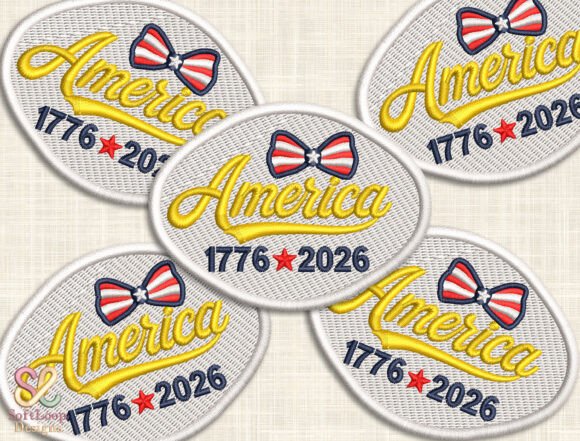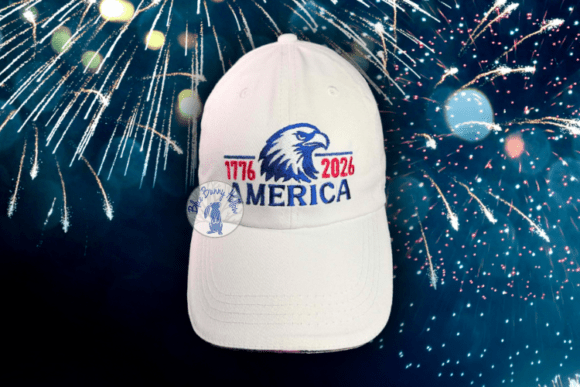
1776–2026 America Hat Embroidery Design
A Designer’s First Stitch: Warm, Bold, and Deeply Patriotic
As an embroidery designer who’s digitized over 300 custom pieces for gift shops, Etsy sellers, and boutique craft fairs, my first impression of the 1776–2026 America Hat Embroidery Design was immediate: this isn’t just another Independence Day motif—it’s a statement piece with quiet reverence. The bold dates anchor it in history, the “America” lettering carries confident clarity, and that regal eagle head? It’s not cartoonish or overly ornate—just strong, centered, and dignified. There’s no clutter, no excessive fill stitches, and no visual noise. That makes it feel both classic and refreshingly modern—a rare balance in patriotic machine embroidery design. Emotionally, it leans into pride without pomp, tradition without rigidity, and celebration without cliché. It feels handmade in spirit, even though it’s digitally perfected.
Beyond the Cap: Where This Design Truly Shines
Yes, it’s labeled a “hat embroidery design”—and it stitches beautifully on structured caps—but its real strength lies in versatility. I tested it on several personalized gift applications, and here’s where it delivered strongest:
- Baby embroidery: Stitched at 3.5" wide on a soft cotton blanket or muslin swaddle, it reads clearly and adds heirloom gravitas to a newborn’s first patriotic keepsake—especially for July-born babies or military families.
- Wedding gift: Embroidered on a linen pillow cover or monogrammed kitchen towel (paired with the couple’s initials), it becomes a subtle nod to shared values—not just a holiday motif, but a symbol of enduring commitment and home.
- Nursery decor & family keepsakes: On a framed hoop or stitched onto a canvas wall hanging, the clean lines and centered eagle hold up beautifully in minimalist or Americana-themed nurseries.
- Small shop product: As an Etsy seller, I’d pair it with neutral-toned totes, aprons, or tea towels—letting the design speak for itself rather than competing with busy patterns. Customers consistently engage more with embroidered items that tell a story, and this one does so with restraint and resonance.
Where to Use It Thoughtfully—Not Everywhere
This design is strong, but not universal. As a professional, I always advise clients to consider fabric behavior before stitching. Here’s where extra care matters:
- Small lettering & fine details: The eagle’s eye and feather definition are crisp—but only when stitched at recommended size. Shrinking below 3" risks losing legibility. Never scale down for baby onesies unless you’ve tested thread density and stitch pull on ultra-fine knit.
- Textured fabric: Thick terry cloth towels? Yes—but use cutaway stabilizer and reduce top tension slightly. Loosely woven linen? Add tear-away + light iron-on backing to prevent puckering around the eagle’s outline.
- Curved or stretchy surfaces: Avoid direct application on fitted baby bodysuits or curved hat brims unless your machine supports precise hooping and your digitizing includes underlay compensation (which this file appears to include, per “properly digitized” specs).
- Dark fabric & frequent washing: Test thread colors thoroughly. Navy or charcoal backdrops demand high-contrast thread—navy with bright white or gold works; black may need metallic or ecru for readability. And yes—this design holds up after multiple washes if you secure thread tails and use quality polyester thread.
Why It Elevates Your Personalized Gift Business
Customers don’t just buy embroidered items—they buy meaning, memory, and intention. The 1776–2026 America Hat Embroidery Design delivers that instantly. When placed on a handmade blanket or wedding towel, it signals thoughtfulness, not trend-chasing. That builds trust. Buyers scroll past generic “USA” fonts daily—but this eagle? It slows them down. It invites a second look. That translates directly to higher perceived value, stronger product photography (the symmetry and contrast photograph beautifully against natural light), and deeper buyer engagement—especially among multigenerational shoppers, educators, veterans’ families, and small-town gift buyers who value authenticity over flash.
For Etsy sellers and craft fair vendors, it also streamlines customization: no need to layer fonts or adjust layouts. One clean file, one powerful focal point. That saves time, reduces errors, and keeps your workflow scalable—even during peak Independence Day season.
Practical Embroidery Notes You Can’t Skip
Before stitching your first personalized gift, do these five things:
- Test on scrap fabric—same type and weight as your final product. Watch for thread breaks around the eagle’s beak and date edges.
- Check thread color contrast on both light and dark mockups. A printable mockup helps preview how it’ll look on your best-selling towel or tote.
- Confirm hoop size compatibility. If your machine uses 4x4 hoops, verify the design fits—or if it requires 5x7, plan your layout accordingly.
- Review stitch density. Dense fill areas (like the eagle’s chest) should sit flat—not stiff—on soft fabrics. Adjust underlay if needed.
- Use proper stabilizer for your base fabric—and always check commercial licensing terms before selling finished products. This is a digital embroidery file, and its license determines whether you can offer it as part of a handmade product line or only for personal use.
Final Thought: More Than a Holiday Design
The 1776–2026 America Hat Embroidery Design doesn’t shout. It stands. That’s why it works so well across baby embroidery, wedding gifts, nursery decor, and small shop products—it meets customers where they are: honoring legacy, celebrating milestones, and choosing quality over quantity. In a market flooded with seasonal, disposable designs, this one earns repeat use, thoughtful placement, and genuine emotional connection. Whether you’re stitching your first custom tote or your hundredth heirloom blanket, it’s a reliable, resonant, and quietly powerful choice.